The Future of Construction: Transforming Industries with Basalt Coated GRFP Rebars
Introduction to Basalt Coated GRFP Rebars
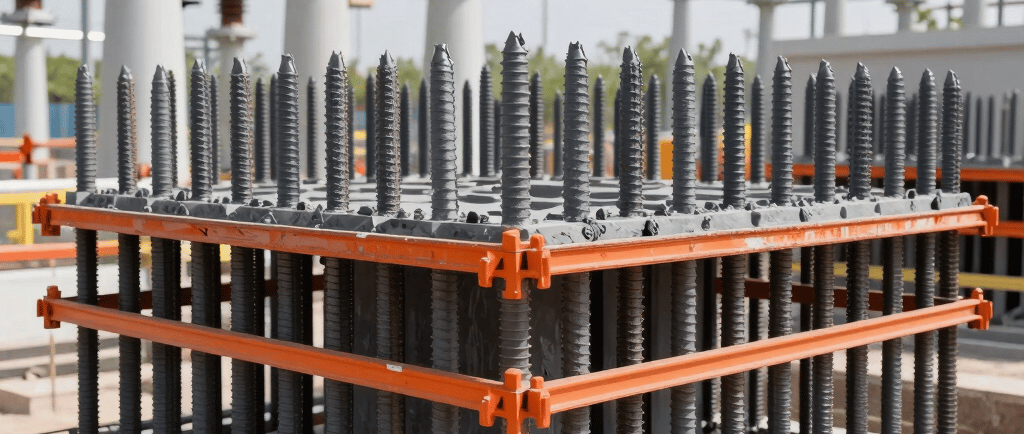
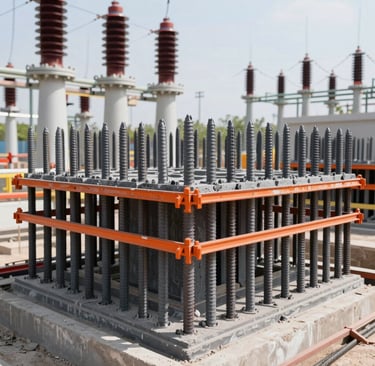
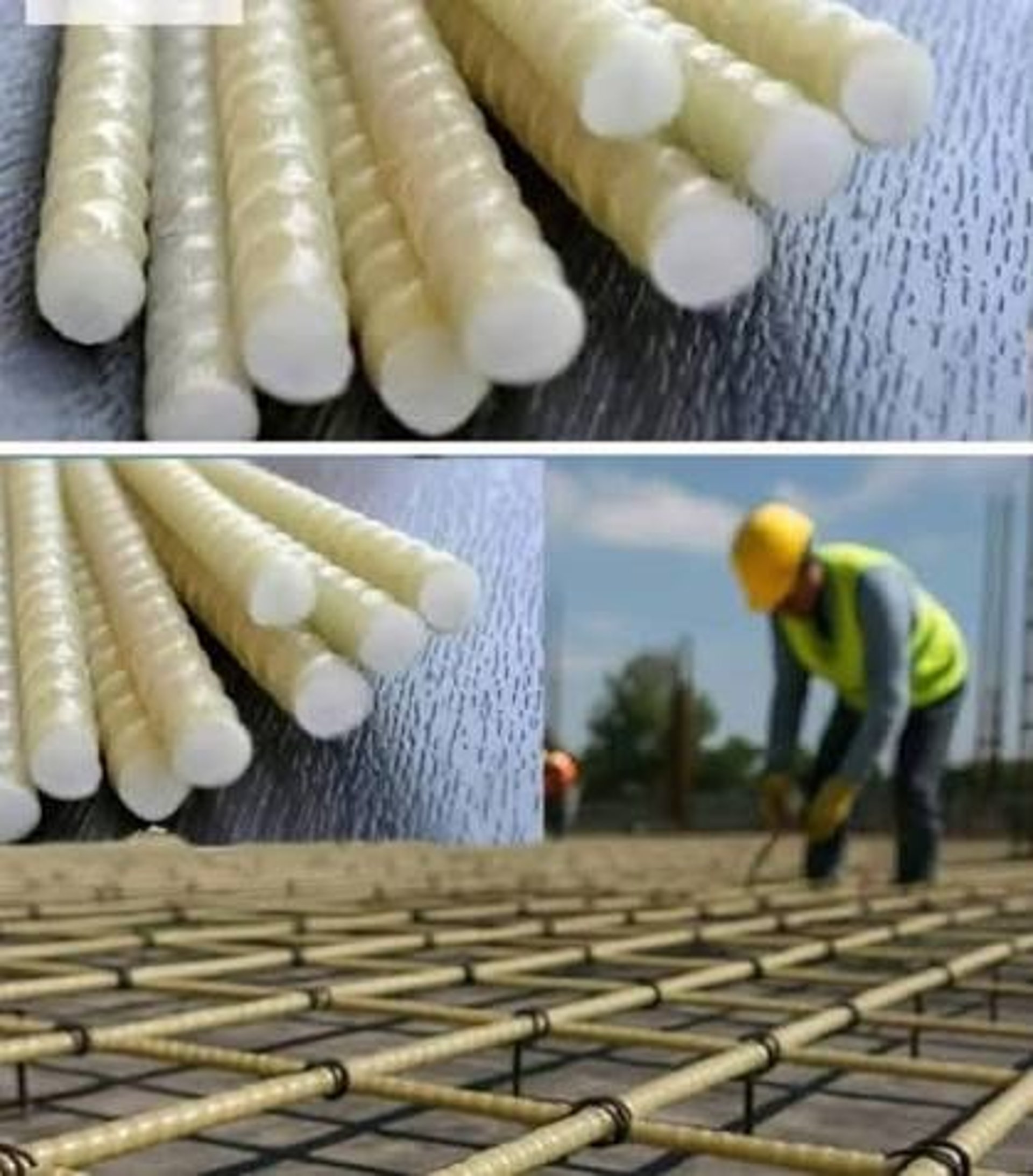
Basalt coated Glass Fiber Reinforced Polymer (GRFP) rebars emerge as a pioneering alternative in the construction industry, leveraging advanced materials to address the limitations of traditional reinforcing bars. Comprised of a matrix of glass fibers embedded in a polymer matrix, these rebars are notably enhanced with a coating of basalt, a volcanic rock that provides additional durability and corrosion resistance.
The production process of basalt coated GRFP rebars involves the careful layering of glass fibers, which are infused with a resin that allows the material to maintain structural integrity while minimizing weight. The basalt coating is then applied, offering a robust and resilient surface that further protects against harsh environmental conditions. This combination of materials results in a product that is significantly lighter than steel counterparts, making it easier to handle and install in various construction applications.
One of the key benefits of basalt coated GRFP rebars is their superior durability in comparison to traditional steel rebar. Unlike steel that is prone to rust and deterioration when exposed to moisture and chemicals, basalt GRFP rebars are highly resistant to corrosion. This characteristic not only extends the lifespan of the structures in which they are used but also reduces maintenance costs over time, making them an economically viable solution for future building projects.
Moreover, as the construction industry increasingly shifts towards sustainable practices, the lightweight nature of basalt coated GRFP rebars contributes to a lower environmental impact. Reduced material usage and transportation costs further enhance their appeal, aligning with the growing demand for eco-friendly building materials. As builders and engineers seek innovative solutions to improve safety and performance, basalt coated GRFP rebars stand out as a forward-thinking option poised to transform the way we approach construction.
Current Industry Trends and Challenges
The construction industry is currently facing a multitude of challenges that impact its operational efficiency and sustainability. Among the most significant issues are the rising costs associated with traditional construction materials, which can hinder project budgets and timelines. The volatility in global supply chains, exacerbated by economic fluctuations and geopolitical factors, has led to increased prices for common materials such as steel and concrete. As a result, contractors and developers are seeking alternative solutions that can offer cost advantages while maintaining structural integrity.
In addition to financial constraints, environmental concerns have become a substantial focus within the industry. The construction sector is a significant contributor to greenhouse gas emissions and waste generation, prompting a call for more eco-friendly practices. Building materials that are sustainable and reduce the carbon footprint are rapidly gaining attention. In this context, the adoption of innovative materials, such as basalt coated Glass Fiber Reinforced Polymer (GRFP) rebars, is emerging as a promising alternative. These materials not only offer substantial strength and durability compared to traditional options but also support sustainability goals by minimizing environmental impact.
For companies operating in this fast-evolving industry, the need for innovative solutions has never been more pressing. Adopting advanced materials like basalt coated GRFP rebars can serve as a strategic response to the challenges posed by economic pressures and environmental regulations. By integrating these materials into their construction processes, companies can achieve better performance while also contributing to more sustainable practices. The future of construction, therefore, hinges on the industry's ability to embrace new technologies and materials that address both current challenges and future demands.
Potential Impacts of Basalt Coated GRFP Rebars on Construction
The application of basalt coated glass fiber reinforced polymer (GRFP) rebars stands poised to revolutionize the construction landscape significantly. One of the foremost impacts anticipated involves improvements in construction efficiency. The inherent lightweight nature of basalt coated rebars introduces a paradigm shift in material handling. These rebars can facilitate faster installations, enabling project timelines to compress which, in turn, enhances overall productivity at construction sites.
Furthermore, the cost savings associated with basalt coated GRFP rebars could present compelling advantages for contractors and project managers alike. Traditional steel rebars are subject to corrosion and associated maintenance costs over their lifecycle. In contrast, basalt coated rebars have proven to exhibit superior durability and resistance to environmental factors. This resilience reduces the likelihood of costly repairs and replacements, allowing for optimal resource allocation and budget management across construction projects.
Moreover, enhanced structural integrity is a critical benefit offered by basalt coated rebars. Coupled with their lightweight characteristics, the strength of basalt coating offers an impressive resistance to tensile forces, making them ideal for projects requiring robust structural components. Case studies from various infrastructure projects illustrate successful implementations of basalt coated GRFP rebars, showcasing their efficacy in maintaining architectural longevity and safety standards. For instance, a recent highway bridge project utilized these advanced rebars, resulting in a significant reduction in the overall structural weight while simultaneously increasing load-bearing capabilities compared to conventional materials.
In summary, the potential impacts of basalt coated GRFP rebars on the construction industry are noteworthy. Improvements in efficiency, cost savings, and enhanced structural integrity represent multifaceted benefits that can transform various construction projects, positioning this innovative material as a leading choice in modern building practices.
The Future Landscape of the Construction Industry
The integration of basalt coated Glass Fiber Reinforced Polymer (GRFP) rebars within the construction industry marks a significant transition towards innovative and sustainable building practices. These materials, renowned for their durability and resistance to corrosion, are expected to reshape traditional construction methodologies. As environmental regulations tighten and sustainability becomes a paramount concern, industry stakeholders will need to adapt quickly to capitalize on the advantages presented by basalt coated GRFP rebars.
One key implication of using basalt coated GRFP rebars is the enhanced longevity of structures. Unlike traditional steel, these specialized rebars offer superior resistance to harsh environmental conditions, thus potentially reducing maintenance costs and extending the lifespan of buildings and infrastructure. As the construction sector increasingly prioritizes sustainability, the durability of basalt coated GRFP rebars aligns well with the goals of eco-friendly construction initiatives.
Furthermore, regulatory frameworks are likely to evolve in response to the growing acknowledgment of innovative materials like basalt coated GRFP rebars. Governments and regulatory bodies may introduce initiatives aimed at promoting the use of sustainable materials. This shift can encourage research and development in composite materials, paving the way for wider acceptance and application in various construction projects.
The collaborative efforts among industry stakeholders, including architects, engineers, contractors, and material suppliers, will also play a critical role in the success of integrating basalt coated GRFP rebars. By investing in education and training, professionals in the construction field can gain insight into the benefits and best practices for utilizing these advanced materials. The future landscape of the construction industry will likely witness a more unified approach, where collaboration fosters innovation and implementation of durable, environmentally-friendly solutions.
AP Technovation
ASTM-certified composite reinforcement and structural carbon fiber systems.
Home
Products
Applications
Technical Library
Case Studies
Contact
adhalgeshailesh543@gmail.com
+91 9619423667 / 8850298673
Panvel, Maharashtra, India
Mon - Sat: 9:00 AM - 6:00 PM
© 2026 AP Technovation-AP Technovation Pvt. Ltd. is an ISO 9001:2015 certified manufacturer.
CORROSION-FREE REINFORCEMENT