The Impact of GFRP Rebars on Modern Infrastructure


Introduction to GFRP Rebars
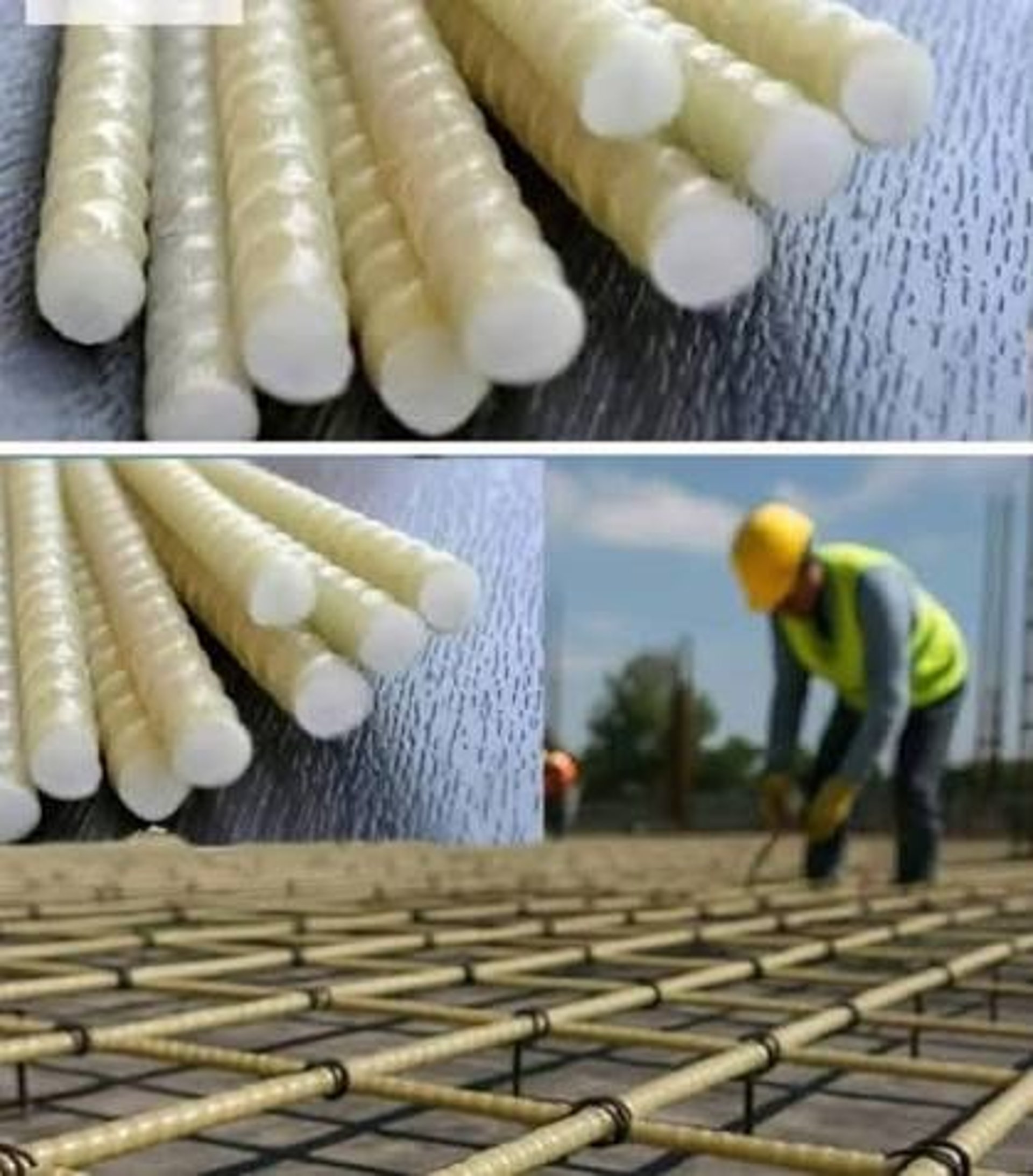
Glass Fiber Reinforced Polymer (GFRP) rebars are revolutionizing the construction industry with their unique properties and significant advantages over traditional steel reinforced bars. These non-metallic reinforcing bars are made from a combination of glass fibers and a resin matrix, resulting in a product that is both lightweight and exceptionally durable. One of the most remarkable features of GFRP rebars is their resistance to corrosion, making them an ideal choice for a variety of construction applications.
Corrosion Resistance and Longevity
Corrosion has historically been a major concern in construction, particularly for structures exposed to harsh environments, such as bridges and coastal infrastructures. Traditional steel rebars are prone to rust, which can lead to structural degradation over time. In contrast, the non-rusting nature of GFRP rebars significantly extends the lifespan of these structures. By inhibiting corrosion, GFRP rebars help to maintain the integrity of a construction project, thereby reducing maintenance costs and increasing the safety of the infrastructure.
Applications and Benefits in Infrastructure
The applications of GFRP rebars span various sectors, including bridges, tunnels, roads, and even residential buildings. Their lightweight quality simplifies transportation and installation processes, making them a practical choice for many contractors. Moreover, GFRP rebars require less concrete cover compared to conventional rebars, leading to a reduction in overall construction material usage. This not only contributes to a decrease in costs but also reduces the environmental impact of construction activities.
Additionally, GFRP rebars are non-magnetic and non-conductive, offering advantages in specialized applications where electromagnetic interference needs to be minimized, such as in hospitals or laboratories. As the construction industry continues to evolve, the adoption of GFRP rebars indicates a significant shift towards materials that can withstand the test of time and environmental challenges.
AP Technovation
ASTM-certified composite reinforcement and structural carbon fiber systems.
Home
Products
Applications
Technical Library
Case Studies
Contact
adhalgeshailesh543@gmail.com
+91 9619423667 / 8850298673
Panvel, Maharashtra, India
Mon - Sat: 9:00 AM - 6:00 PM
© 2026 AP Technovation-AP Technovation Pvt. Ltd. is an ISO 9001:2015 certified manufacturer.
CORROSION-FREE REINFORCEMENT